
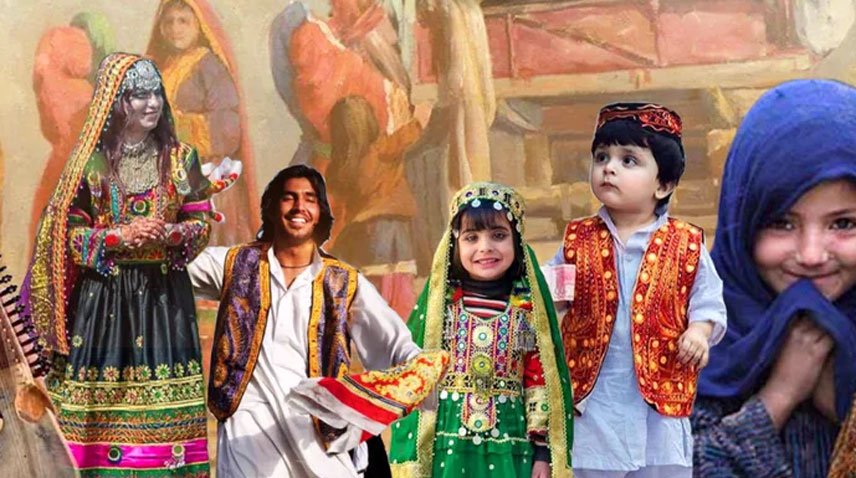
Culture of KPK Pakistan – Traditions, Heritage & Lifestyle of Khyber Pakhtunkhwa
Khyber Pakhtunkhwa (KPK), located in the northwest of Pakistan, is one of the country’s most culturally vibrant regions. Famous for its Pashtun identity, rich traditions, hospitality, music, folklore, cuisine, and centuries-old heritage, KPK offers a unique cultural landscape shaped by history, geography, and tribal customs.Whether you are a traveler, culture enthusiast, or student, this blog provides a complete guide to the culture of KPK, Pakistan.
🌟 What Makes KPK Culture Unique?
KPK’s culture is deeply rooted in Pashtunwali — the traditional code of ethics followed by Pashtun tribes. It emphasizes:
Melmastia (Hospitality)
Badal (Justice/reciprocity)
Nanawatai (Asylum/sanctuary)
Ghairat (Honor)
Turah (Bravery)
This framework forms the backbone of social behavior and tradition throughout the province.
🧑🤝🧑 People & Ethnic Groups of KPK
KPK is home to diverse ethnic communities, including:
Pashtuns (majority)
Hindko-speaking tribes
Kohistanis
Chitralis (Khowar-speaking)
Kalash community
Saraiki-speaking southern communities
Turkolani & other highland tribes
Each group contributes unique languages, traditions, music, art, and celebrations.
🏞️ Traditional Lifestyle in KPK
Life in KPK ranges from tribal highlands to urban centers like Peshawar, Mardan, Abbottabad, and Swat. The traditional lifestyle includes:
Strong family systems
Tribal leadership (Maliks, Jirga system)
Early morning routines
Hujra gatherings (community meeting place)
Deep respect for elders
In rural areas, people still follow the old customs, while cities blend tradition with modern living.
🎭 Cultural Values & Pashtunwali Code
1. Melmastia – Hospitality
Considered the heart of Pashtun culture. Guests are honored regardless of background or status.
2. Hujra Tradition
A social place for men to gather, discuss issues, celebrate events, and perform music.
3. Jirga System
A traditional assembly used to resolve disputes peacefully.
4. Respect & Honor
Family honor (Ghairat) is deeply valued, influencing social conduct.
🏺 Heritage & Historical Background
KPK has been part of ancient civilizations:
Gandhara Civilization
Buddhist heritage (Takht-i-Bahi, Jamal Garhi, Swat Museum)
Mughal and Durrani influence
Tribal kingdoms
This history has shaped local art, architecture, and culture.
🎶 Music & Dance of KPK
Pashtun music is energetic, emotional, and deeply cultural.
Popular Musical Instruments
Rubab
Harmonium
Tabla
Dhol
Sitar
Cultural Dances
Attan – National dance of Pashtuns
Khattak Dance – Historic warrior-style performance
Chitrali Dance – Folk dance from Chitral & Kalash areas
These dances are performed at weddings, festivals, and national celebrations.
🎉 Festivals of KPK
KPK hosts a variety of cultural and religious festivals:
1. Jashn-e-Chitral
Colorful festival with polo matches, music, and dance.
2. Kalash Festivals
World-famous festivals celebrated by the Kalash tribe:
Chilam Joshi (Spring)
Uchal (Summer)
Choimus (Winter)
3. Eid Celebrations
Grand gatherings, feasts, and family reunions.
4. Shandur Polo Festival
Held at the world’s highest polo ground; a significant cultural event for KPK and Gilgit-Baltistan.
🍽️ Food & Cuisine of KPK
KPK cuisine is known for its flavorful, aromatic, and traditional dishes.
Famous Pashtun Dishes
Chapli Kabab
Kabuli Pulao
Lamb Karahi
Dum Pukht
Sajji
Peshawari Namkeen Tikka
Rosh
Qahwa (Green Tea)
Food is usually simple, fresh, and prepared with minimal spices — highlighting natural flavors.
👗 Traditional Dress of KPK
For Men
Shalwar Kameez
Peshawari Chappal
Pakol (Chitral cap)
Turban in rural areas
For Women
Colorful embroidered dresses
Long dupattas and jewelry
Region-specific embroidery (Swat, Chitral, Kohistan)
🧵 Handicrafts & Art
KPK is known for beautiful handicrafts:
Peshawari Chappal
Wood carving
Pottery
Handmade weapons
Rugs & tribal carpets
Kalash jewelry
These crafts reflect ancient skills passed through generations.
🕌 Religious & Cultural Harmony
Though predominantly Muslim, the province also hosts:
Sikhs
Hindus
Kalash pagans
Ismaili communities
Buddhists (historically)
This blend adds diversity to the cultural landscape.
🌍 Tourism & Cultural Sites in KPK
Top must-visit cultural attractions:
Takht-i-Bahi Buddhist Ruins (UNESCO World Heritage Site)
Peshawar Walled City
Chitral Valley
Swat Museum
Kalash Valleys (Bumburet, Rumbur, Birir)
Shandur
Kaghan & Naran
Dir & Kohistan tribal areas
These places reflect KPK’s cultural and historical depth.
📝 Conclusion
The culture of KPK is a blend of ancient heritage, Pashtun traditions, tribal lifestyle, and modern evolution. Known for its unmatched hospitality, bravery, music, and colorful festivals, Khyber Pakhtunkhwa remains one of Pakistan’s richest cultural regions.Whether you explore the Kalash Valleys, dance to the beats of the Attan, or enjoy delicious Chapli Kababs, KPK offers a cultural experience like no other.
.
