
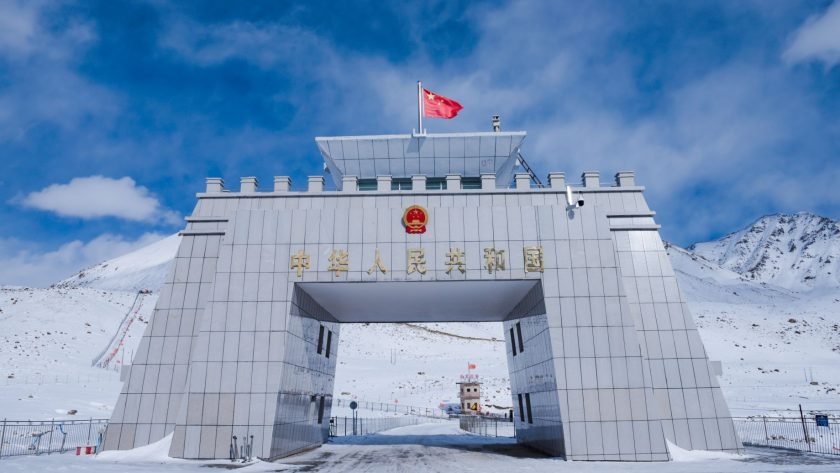
Pak China Boarder Introduction
The Khunjerab Pass is the highest paved international border crossing in the world, sitting at 4,693 meters (15,397 feet) above sea level. It serves as the gateway between Pakistan’s Gilgit-Baltistan and China’s Xinjiang region, forming a critical part of the Karakoram Highway (KKH).
This border is not only a strategic trade route but also a tourist destination. Visitors flock to see the snow-capped mountains, glacier-fed rivers, wildlife, and the famous “Welcome to China” sign. The journey to Khunjerab Pass offers one of the most scenic road trips in the world, often called the “Eighth Wonder of the World”.
Travelers to Khunjerab get a mix of adventure, natural beauty, culture, and history, making it a must-visit in northern Pakistan.
Location & Route
Khunjerab Pass / China Border lies in Northern Gilgit-Baltistan, near the town of Sost on the Pakistan side and Tashkurgan in China.
Travel distances:
- Islamabad → Khunjerab Pass: ~800 km
- Gilgit → Khunjerab Pass: ~270 km
- Hunza → Khunjerab Pass: ~120 km
Route:
Islamabad → Gilgit → Hunza → Sost → Khunjerab Pass
The route is via Karakoram Highway, the world’s highest paved international road.Tip: The road is open May–October; heavy snow closes it in winter (Nov–Apr).
- Highlights of Khunjerab Border
- World’s Highest Paved Border Crossing – Altitude 4,693 m.
- Pakistan-China Friendship Monument – Symbol of long-standing bilateral relations.
- Wildlife & Nature – Khunjerab National Park houses snow leopards, ibex, Marco Polo sheep, and Himalayan brown bears.
- Scenic Beauty – Panoramic views of glaciers, mountains, and winding roads.
- Iconic Photography Spot – Capture the famous “You are now entering China” sign.
- Best Time to Visit
-
Season Weather Advice Summer (May–August) 5°C–15°C, lingering snow patches Best time for road trip; clear skies and scenic views Autumn (September–October) Crisp air, golden foliage Ideal for fewer tourists, pleasant weather Winter (Nov–Apr) Heavy snow, roads closed Not recommended Spring (April–May) Melting snow, blooming meadows Early scenic season; roads may be slippery Travel Tip: Always check local weather and road conditions before departure. Even summer can have sudden snow or rain at high altitudes. - Practical Travel Tips
- Visa & Permits: Chinese visa required for crossing; Pakistan side sightseeing requires no special permit.
- Altitude Sickness: At 4,693 m, travelers should acclimatize, drink plenty of water, and avoid strenuous activity initially.
- Vehicles: 4×4 or high-clearance vehicles recommended; buses, cars, and motorcycles frequent the KKH.
- Food & Supplies: Sost town is last major stop with restaurants and shops; bring snacks and water for the border trip.
- Currency: PKR in Pakistan, CNY in China.
- Accommodation: Hotels in Hunza available sost; no lodging at the border
Road Trip Itinerary: Hunza to Khunjerab Pass
- Day 1 – Hunza to Sost
- Early morning departure from Hunza
- Scenic stops at Passu Cones, Hussaini Suspension Bridge, and Attabad Lake
- Overnight stay in Sost to prepare for high-altitude border trip
- Day 2 – Sost to Khunjerab Pass & Back
- Depart early for Khunjerab Pass (1–2 hours)
- Visit Pakistan-China border, friendship monument, and national park viewpoint
- Return to Sost for overnight stay or onward journey to Hunza
-
Tip: Start early to avoid afternoon clouds or sudden weather changes.
Wildlife & Nature
- Khunjerab National Park is adjacent to the border and is a protected wildlife area. Highlights include:
- Marco Polo Sheep: Rare and iconic species of high-altitude mountains.
- Snow Leopard: Elusive predator of the region.
- Himalayan Ibex & Brown Bears: Often spotted along KKH and park trails.
- Birdlife: Golden eagles, snow pigeons, and other alpine birds.
Frequently Asked Questions (FAQ)
- Q: Can I cross into China without a visa?
A: No. A valid Chinese visa is required. Pakistan-side sightseeing does not require a permit. - Q: When is the road to Khunjerab Pass open?
A: Typically May–October; winter closure due to snow. - Q: How high is Khunjerab Pass?
A: 4,693 meters (15,397 feet) above sea level. - Q: Are there hotels at Khunjerab Pass?
A: No; nearest accommodation is in Sost or Hunza. - Q: What precautions are needed for high altitude?
A: Acclimatize in Hunza or Gilgit, stay hydrated, avoid alcohol, and take it slow.
Nearby Attractions
- Hunza Valley: Baltit Fort, Altit Fort, scenic viewpoints
- Passu Glacier & Cones: Iconic peaks and glacier views
- Attabad Lake: Stunning turquoise lake formed by 2010 landslide
- Rakaposhi Base Camp: For trekking and mountain adventure
- Khunjerab National Park: Wildlife and natural vistas
Travel Tips for a Safe Trip
- Check Weather: Snow, rain, or landslides can make travel dangerous.
- Fuel Up: Sost is the last fuel station before the border.
- Vehicle Condition: Ensure brakes, tires, and engine are in good condition.
- Warm Clothing: Even in summer, temperatures can drop below 5°C.
- Travel Insurance: Recommended for high-altitude trips.
Why Visit Khunjerab China Border
- Adventure & Scenic Drive: The KKH offers dramatic landscapes and engineering marvels.
- Photography Opportunities: Snow-capped peaks, glaciers, wildlife, and iconic border markers.
- Cultural Experience: Meet local Wakhi and Balti communities along the way.
- Wildlife & Nature: Explore Khunjerab National Park and observe rare species.
- Historical & Strategic Significance: Symbol of Pakistan-China friendship and trade.
Conclusion
The Khunjerab China Border is more than just a border crossing; it’s a high-altitude adventure, natural spectacle, and cultural journey. From the thrilling Karakoram Highway drive to the stunning vistas and wildlife of Khunjerab National Park, it offers experiences unlike anywhere else in the world.Whether you are a road-tripper, wildlife enthusiast, photographer, or adventure seeker, visiting Khunjerab Pass is a must-do experience in Gilgit-Baltistan.do you want to explore deosai valley
Plan your Hunza Tour Packages carefully and explore this beutifull land .respect local regulations, and prepare for breathtaking landscapes and unforgettable memories at the roof of the world.
