
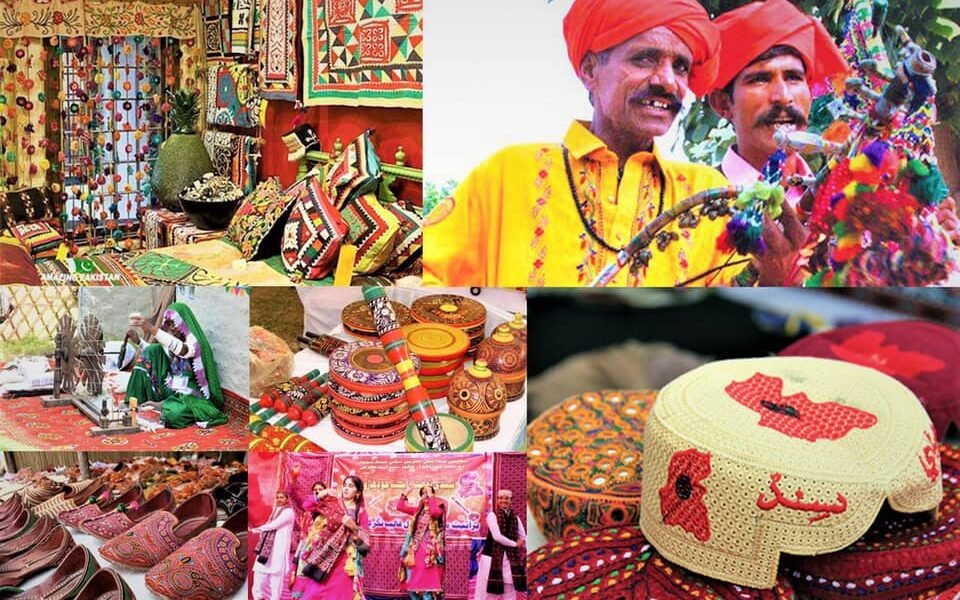
Culture of Sindh in Pakistan — Traditions, History, Festivals & Heritage
Sindh—often called “Bab-ul-Islam” (Gateway of Islam)—is one of Pakistan’s most culturally rich and historically significant provinces. Known for its ancient Indus Valley heritage, Sufi traditions, distinctive music, colorful clothing, and globally admired handicrafts, Sindh’s culture is a unique blend of ancient civilizations and vibrant modern customs.
With a history dating back over 5,000 years, from Mohenjo-Daro to the Islamic era and Sufi movements, Sindh’s culture stands as one of the oldest living cultures in the world.
What is the Culture of Sindh?
The culture of Sindh is defined by its:
Ancient Indus Valley traditions
Warm hospitality
Sufi spirituality
Distinct Sindhi language
Colorful Ajrak & Sindhi Topi
Rich music, dance & folk poetry
Traditional crafts & embroidery
Festivals like Urs of Shah Abdul Latif Bhittai
In short, Sindh’s culture is vibrant, spiritual, artistic, and deeply rooted in history.
1. Historical Background — Home of the Indus Valley Civilization
Sindh is home to one of the world’s earliest civilizations:
🌆 Mohenjo-Daro (2600 BCE)
UNESCO World Heritage Site
Advanced city planning, drainage system, pottery, sculptures
Represents the earliest urban culture on Earth
Sindh’s ancient heritage influences its traditions, crafts, and lifestyle even today.
2. Sindhi Language
The Sindhi language is:
One of Pakistan’s oldest and richest languages
Known for soft pronunciation
Written in a modified Arabic script
Famous for Sufi poetry and classical literature
Great poets include:
Shah Abdul Latif Bhittai
Sachal Sarmast
Shaikh Ayaz
Sindh Culture Day — A Celebration of Identity
When is Sindh Culture Day?
Every year, first Sunday of December is celebrated as Sindhi Cultural Day around the world.
Why is Sindh Culture Day Celebrated?
To honor:
Sindhi heritage
Ajrak & Sindhi Topi
Sufi teachings
Music & folk traditions
Preservation of the Sindhi language
How People Celebrate the Day:
Wearing Ajrak and Sindhi Topi
Cultural rallies
Folk dance performances
School functions & speeches
Music concerts
Exhibitions of Sindhi handicrafts
Social media celebrations
Sindhi Cultural Day is also known as “Aekta Jo Dihaarro” (Day of Unity).
3. Traditional Dress of Sindh
Sindh’s clothing is colorful, bold, and culturally symbolic.
Key cultural elements:
🟥 Ajrak
A block-printed shawl with red, indigo, black, and white designs—symbol of Sindhi pride.
🟦 Sindhi Topi
A round cap with intricate cutwork, usually worn during celebrations and cultural days.
Traditional Attire
Men: Shalwar kameez with Ajrak
Women: Bright embroidered dresses (Gharara/Choli) with mirror work
4. Sindhi Cuisine — Flavorful & Traditional
Sindhi food is rich, spicy, and diverse.
Famous Sindhi dishes:
Sindhi Biryani (spicy, aromatic)
Sai Bhaji Chawal
Sindhi Fish Fry
Pallo Machi (Hilsa fish from Indus River)
Koki Roti
Thadal Sharbat
Dal Pakwan
Sindhi cuisine reflects its agricultural and river-based lifestyle.
5. Sindhi Music & Dance
Sindhi folk music is deeply spiritual and melodious.
Instruments:
Yaktaro
Borrindo
Alghoza (double flute)
Dhol
Flute
Folk dances:
Ho Jamalo (celebratory dance)
Dhamaal (performed at Sufi shrines)
Music and dance are essential to Sindhi celebrations, weddings, and festivals.
6. Festivals of Sindh
Sindh is culturally rich in festivals—both spiritual and seasonal.
Major festivals include:
Sindhi Cultural Day (Ajrak & Topi Day)
Urs of Shah Abdul Latif Bhittai
Urs of Lal Shahbaz Qalandar (Sehwan)
Shab-e-Meraj & Eid festivals
Mela Chiraghan (Shrine festivals)
These festivals showcase Sindh’s unity, devotion, and creative traditions.
7. Sufi Heritage — The Spiritual Heart of Sindh
Sindh is known for its Sufi saints, whose teachings promote peace, tolerance, and love.
Major Sufi shrines:
Shah Abdul Latif Bhittai (Bhitt Shah)
Lal Shahbaz Qalandar (Sehwan Sharif)
Sachal Sarmast (Khairpur)
Their poetry and philosophy are a core part of Sindhi identity.
8. Arts & Handicrafts of Sindh
Sindh is globally known for its handicrafts, including:
Ajrak block-printing
Sindhi Topi embroidery
Ralli quilts
Mirror work (Gota)
Pottery
Lacquer woodwork
Handmade jewelry
These crafts represent thousands of years of tradition and artistry.
9. Hospitality & Lifestyle
Sindhi people are known for:
Warm hospitality
Respect for guests
Community gatherings
Strong family values
“Mehman Allah di rehmat” (A guest is a blessing from God) is a popular belief.
10. Urban vs Rural Sindh
Urban Sindh (Karachi, Hyderabad):
Modern lifestyle
Multilingual population
Commercial & cultural hubs
Rural Sindh (Thatta, Khairpur, Larkana):
Agriculture-based life
Traditional music & crafts
Ancient archaeological sites
Conclusion
The culture of Sindh is one of Pakistan’s most vibrant and historically rich cultural identities. With its roots in the ancient Indus Valley Civilization and its heart in Sufi traditions, Sindh represents a unique blend of art, spirituality, color, music, and heritage.
Whether you explore Mohenjo-Daro, attend a Sufi Urs, or witness the making of Ajrak, you experience a culture that has thrived for thousands of years.
